
Your front yard is the first thing visitors, neighbors, and potential buyers see. In Central Virginia, where properties range from historic Belmont bungalows to rolling Albemarle County estates, the front landscape sets the tone for the entire home. A well-designed front yard does more than look attractive -- it increases property value, frames your home's architecture, and signals that someone who knows what they are doing lives here.
At Snow Knows, we have been designing and installing front yard landscapes in Charlottesville and the surrounding counties since 1912. Over four generations, we have learned what works in Virginia's Zone 7a climate, what survives the deer pressure, and what makes a front yard look intentional rather than accidental. This guide covers the strategies that deliver the strongest curb appeal for Virginia homeowners.
Foundation Plantings: The Backbone of Front Yard Design
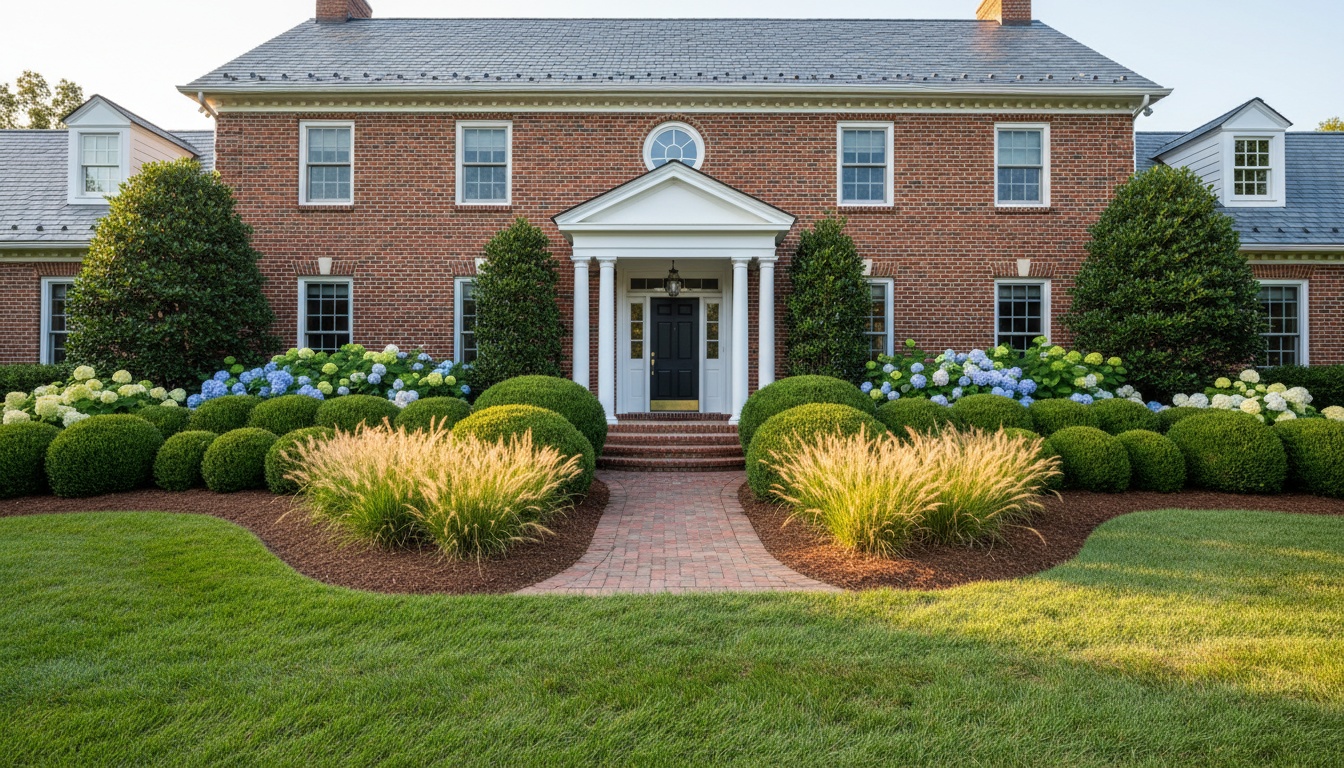
Foundation plantings are the beds that run along the front of your house, bridging the gap between the hard vertical lines of the structure and the horizontal plane of the lawn. Done well, they soften the architecture, add depth, and provide year-round structure. Done poorly -- or not at all -- the house looks like it was dropped onto the lot with no thought given to its surroundings.
Layering for Depth
The most effective foundation plantings use three layers. The back layer (closest to the house) consists of taller evergreen shrubs that reach roughly two-thirds the height of the first-floor windows. The middle layer includes medium-height flowering shrubs and ornamental grasses that provide seasonal color and texture. The front layer uses low-growing perennials, groundcovers, or compact shrubs that define the bed edge and keep the planting from looking like a wall of green.
- Back layer favorites for Virginia: Inkberry holly (Ilex glabra 'Shamrock'), Japanese cryptomeria (Cryptomeria japonica 'Globosa Nana'), and Foster holly for vertical accents
- Middle layer: Virginia sweetspire (Itea virginica), Knock Out roses, dwarf fountain grass (Pennisetum alopecuroides 'Hameln'), and Endless Summer hydrangeas
- Front layer: Liriope, creeping phlox, dwarf mondo grass, catmint (Nepeta), and heuchera for foliage color
Avoiding Common Mistakes
The number one foundation planting mistake we see across Charlottesville is planting too close to the house. Shrubs planted 12 inches from the foundation will outgrow the space within three years and start pressing against siding, blocking windows, and trapping moisture. Plant the back layer at least 3 feet from the foundation wall, and choose species whose mature size fits the available space. A plant tag that says "6-8 feet tall and wide" means exactly that -- not 3 feet, which is where it is when you buy it.
The second mistake is relying entirely on evergreens. An all-green foundation planting is safe but dull. Mix in deciduous flowering shrubs and perennials that provide seasonal highlights -- spring blooms, summer flowers, fall foliage, winter berries -- while the evergreens hold the structure year-round.
Walkway and Entry Design
The path from your driveway or sidewalk to your front door is the most-used route on your property. It deserves more thought than a narrow concrete strip between two boxwood hedges. A well-designed entry walkway guides visitors toward the door with a sense of arrival and frames the front of the home.
Width and Material
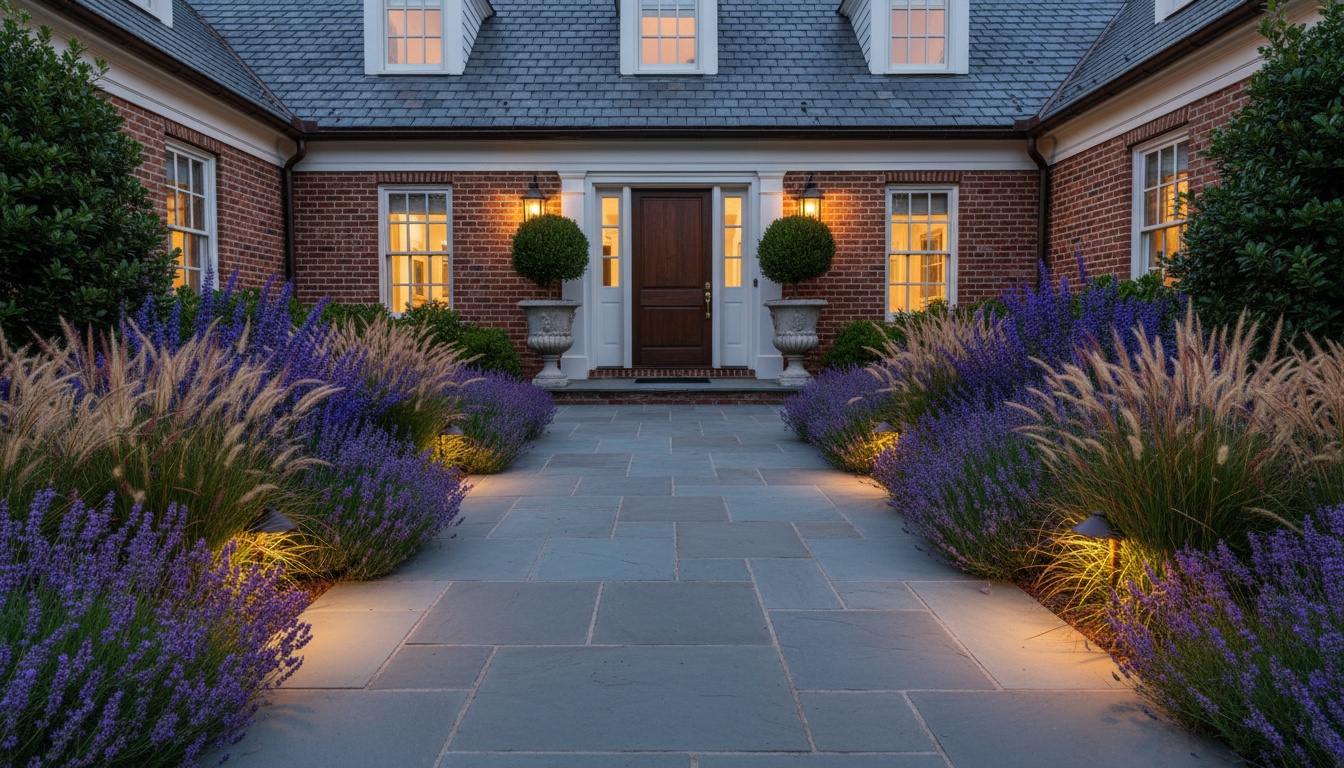
A front walkway should be at least 4 feet wide -- wide enough for two people to walk side by side comfortably. Five feet is even better for a primary entry. Material choice should complement the house: bluestone for colonial and traditional homes, flagstone for cottage and farmhouse styles, brick for Federal and Georgian architecture. A contrasting border (such as a soldier course of brick along a bluestone walk) adds visual definition and a finished look.
Planting Along the Walk
Border plantings along the walkway soften the hardscape and create a garden experience on the way to the door. Low-growing, fragrant plants are ideal here -- brushing against lavender, catmint, or creeping thyme as you walk to the front door is a sensory detail that elevates the entire entry sequence. Keep border plants at 18 inches or shorter so they do not encroach on the walking surface, and choose species that tolerate the foot traffic and occasional ball landing that comes with a front yard.
Specimen Trees for Front Yard Impact
A single well-placed tree can define an entire front yard. Specimen trees -- trees chosen for their individual beauty and given a prominent position -- anchor the landscape, provide scale, and create the kind of character that takes years to develop. This is why mature trees are one of the strongest drivers of property value in real estate.
- Eastern Redbud (Cercis canadensis): Magenta spring blooms on bare branches, heart-shaped summer foliage, and a graceful 20-30 foot form. The perfect front yard specimen for small to medium properties. Position it where it is visible from the street and from interior rooms.
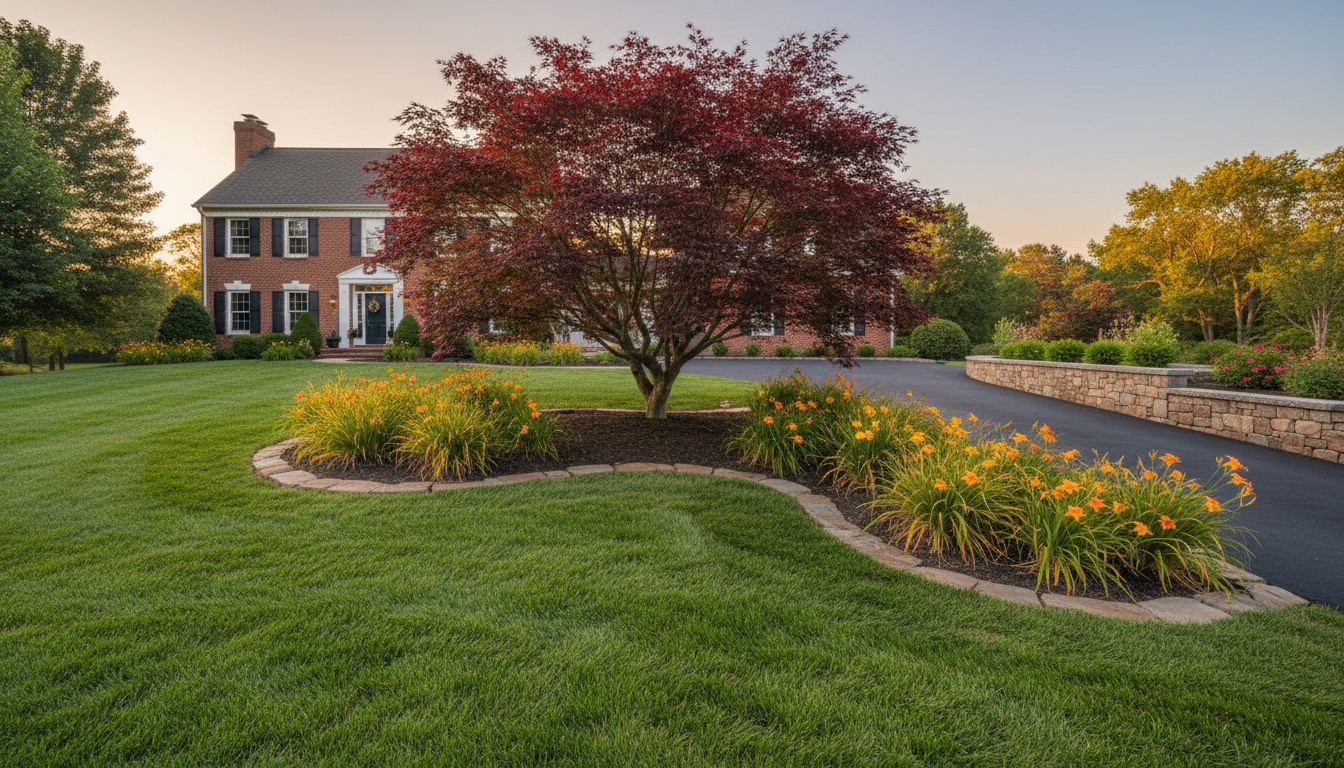
- Japanese Maple (Acer palmatum): Architectural branching, fine-textured foliage, and spectacular fall color in red, orange, or gold depending on variety. Best in a partially shaded spot protected from western afternoon sun. The cultivar 'Bloodgood' is the most reliable performer in Zone 7a.
- White Oak (Quercus alba): For larger properties, nothing matches a mature white oak for majesty. Slow-growing but worth the wait -- a spreading crown, distinctive bark, and wine-red fall foliage. Plant where it has room to grow 60-80 feet tall and wide.
- Yoshino Cherry (Prunus x yedoensis): Two weeks of breathtaking pink-white spring bloom on a 25-35 foot tree. Fast-growing but shorter-lived (25-30 years). Ideal for homeowners who want quick visual impact.
Our nursery on Avon Street Extended carries specimen-quality trees that have been grown for form and structure -- not just size. A well-grown tree with a strong central leader and balanced branching will look better in 10 years than a bargain tree that was crowded in production.
Seasonal Color Strategies
A front yard that only looks good for two weeks in April is a missed opportunity. The best front yards in Charlottesville deliver something worth looking at in every season. Here is how to plan for twelve months of interest:
Spring (March through May)
Bulbs (daffodils, tulips, alliums) planted in the fall provide the earliest color. Follow with redbud and dogwood bloom, then azaleas and spring-flowering perennials like woodland phlox and columbine. Spring is easy in Virginia -- the challenge is making the other three seasons equally compelling.
Summer (June through August)
Daylilies, coneflowers, black-eyed Susans, and hydrangeas carry the color through the hottest months. Annual containers at the front door and along the walkway add concentrated color without committing permanent bed space. Crape myrtles bloom from July through September and are one of the most effective summer-flowering trees for Virginia front yards.
Fall (September through November)
Ornamental grasses peak in fall with plumes and golden foliage. Asters and chrysanthemums extend the bloom season into October. Fall foliage from Japanese maples, redbuds, sweetspire, and fothergilla provides weeks of color. Swap out summer annuals for ornamental kale, pansies, and decorative gourds.
Winter (December through February)
This is where most front yards fail. The cure is evergreen structure: hollies, boxwood, arborvitae, and conifers that hold their form and color through the dormant months. Winter-berrying shrubs like winterberry holly and nandina add red accents. Ornamental bark on crape myrtles, river birch, and lacebark pine provides texture when deciduous trees are bare.
Landscape Lighting for Curb Appeal
Most of your neighbors see your front yard in the dark -- driving home from work, walking the dog after dinner, glancing out the window at night. Landscape lighting extends your curb appeal from daytime only to 24 hours a day and adds security as a bonus.
- Uplighting on trees: Two or three fixtures at the base of a specimen tree create dramatic shadows and highlight the canopy. Use warm white (2700K) LED fixtures for the most natural look.
- Path lighting along walkways: Low-voltage path lights every 6-8 feet guide visitors safely while defining the walkway edge. Keep fixtures at 18 inches or shorter to avoid glare.
- Facade wash lighting: Fixtures aimed at the front of the house illuminate the architecture and create a warm, inviting glow. Position them to graze the wall surface and highlight texture.
- Accent lighting on garden features: A single light on a specimen shrub, a stone wall, or a front-yard water feature adds depth to the nighttime landscape.
Low-voltage LED systems are energy-efficient (a typical front yard system draws less power than a single indoor light bulb), long-lasting, and safe to install in garden beds. Our landscape design team includes lighting plans in most front yard projects because the impact per dollar is hard to beat.
Virginia-Specific Tips
Front yard landscaping in Central Virginia requires attention to a few regional realities that generic landscaping guides ignore:
- Deer pressure: If you live anywhere in Albemarle County, deer will browse your front yard. Design the perimeter of foundation beds with deer-resistant species (boxwood, holly, catmint, ornamental grasses) and tuck more vulnerable plants closer to the house where foot traffic deters browsing.
- Red clay drainage: Virginia's clay soils drain slowly. Grade the front yard to move water away from the foundation, and avoid creating planting beds that trap water against the house. Amending beds with compost improves drainage and soil structure.
- HOA considerations: Many Charlottesville-area neighborhoods (Dunlora, Old Trail, Glenmore, Belvedere) have HOA guidelines governing plant heights, bed sizes, and tree placement in front yards. Review your covenants before designing and keep a copy handy during the planning process.
- Summer heat: South- and west-facing front yards take a beating in July and August. Choose heat-tolerant species for these exposures and consider shade from a strategically placed tree to reduce the thermal load on both your plants and your home.
- Winter salt: Plants within 3 feet of a driveway or sidewalk that gets deiced will suffer salt damage. Use sand or calcium chloride instead of rock salt, or plant salt-tolerant species (liriope, juniper, daylilies) in the splash zone.
Getting Started with Your Front Yard
The best front yard transformations start with a plan. Before buying a single plant, step across the street and look at your house the way a visitor or passerby sees it. Note what is working (a mature tree, a nice stone wall) and what is not (overgrown foundation shrubs, a cracked walkway, bare spots). Take photos from the street in different seasons if you can.
From there, our landscape design team can develop a front yard plan that addresses your home's specific architecture, your property's conditions, and your budget. Some clients tackle the whole front yard at once; others phase the work over two or three seasons, starting with the foundation planting and walkway and adding trees, lighting, and seasonal color in subsequent years.
Either way, the investment pays back. According to the National Association of Realtors, landscape improvements recover 100-200% of their cost at resale -- the highest return of any home improvement category. And unlike a kitchen remodel, you get to enjoy it every time you pull into the driveway.
Contact Snow's to schedule a front yard consultation. We design and install front yard landscapes year-round in Charlottesville, Albemarle, Greene, Fluvanna, and Nelson counties.